
HISTORY
The History of Zen-Noh Global Holdings
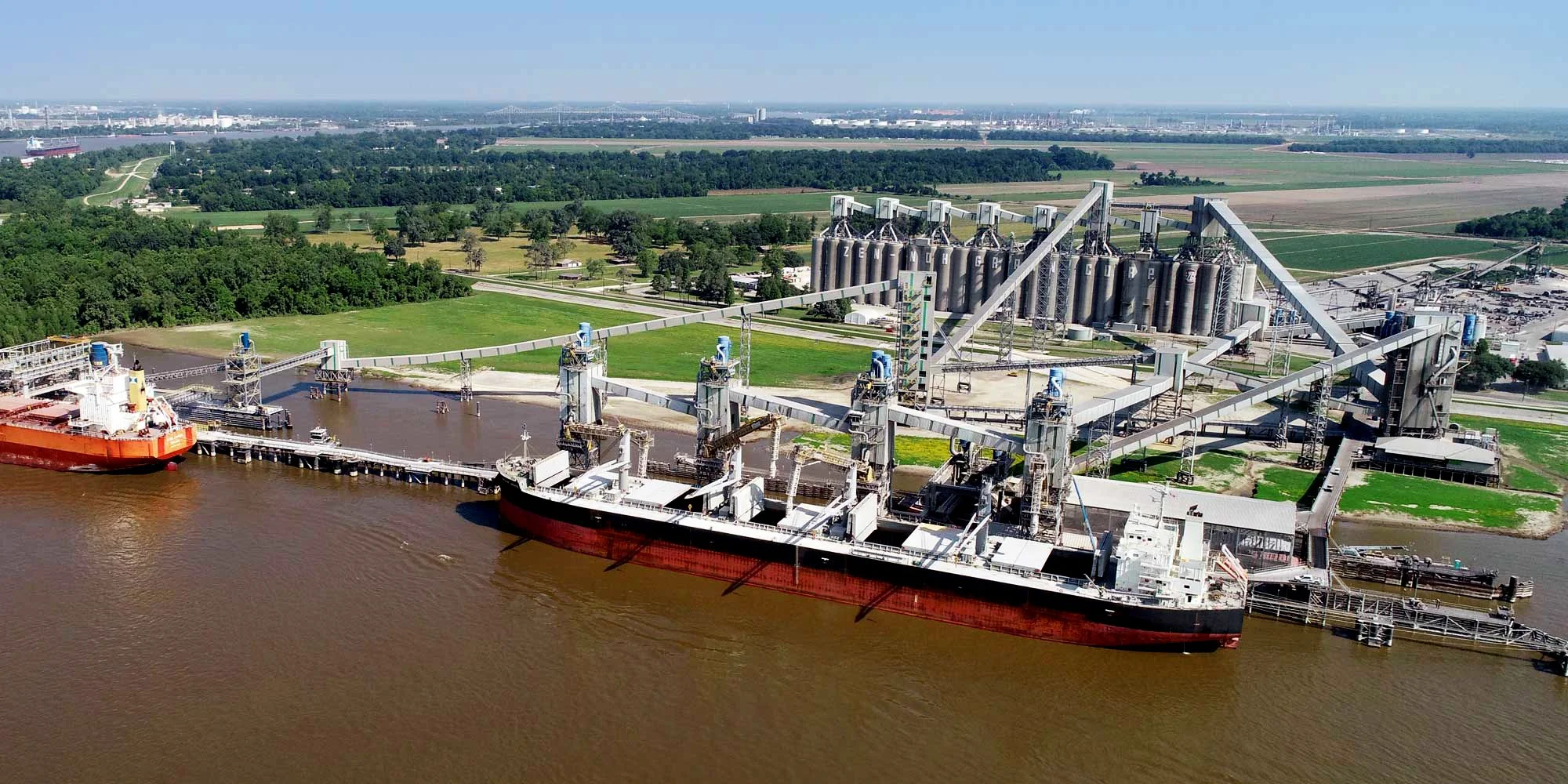
ZEN-NOH Grain, the predecessor of today’s company, was established in March 1979 with capital from Japanese agricultural cooperatives to secure a stable supply of competitively priced feed grain during the oil shocks and food crisis of the 1970s. The company acquired 685 acres (277 hectares) with 760 meters of river frontage, 164 miles (about 260 km) from the mouth of the Mississippi River. The property had originally been developed by French settlers about 150 years earlier and was known as Lapadan Plantation. In 1988, the acquisition of CGB, a Midwest-based grain origination company, created an integrated ZEN-NOH Group flow from U.S. grain origination through storage, distribution, and export. A major expansion of the Convent export elevator was completed in 2018. The facility can now export more than approximately 18 million metric tons annually.
The ZEN-NOH Group supplies food to consumers in Japan, Asia, and other countries and regions and accounts for a major share of Japan’s food production and supply. It also provides fertilizer, agricultural chemicals, energy, and many other products and services. To meet the needs of Japanese consumer groups, it created the Identity Preserved Handling Program.
To remain competitive in an increasingly global grain industry, the company expanded non-U.S. origination through partnerships in Brazil. In 2025, Zen-Noh Global Holdings was established in Geneva, Switzerland, to strengthen the organizational structure.